
Market Overview
Fischer-Tropsch gas-to-liquids plants turn natural gas into synthetic diesel, naphtha, kerosene, base oils and waxes. Treated gas becomes syngas, Fischer-Tropsch reactors convert the syngas into hydrocarbons, and an upgrading unit finishes the products. Large facilities monetize abundant gas at world scale. Small and modular units work closer to the source, on stranded, associated or flared gas. Either way the units depend on each other, so early engineering decisions are expensive to reverse.

Experience Overview
Vista Projects is a multi-discipline engineering firm and a leader in the digital transformation of industrial projects. Our gas processing work runs from a grassroots plant taken from kick-off to commissioning in just over four months to a long-term program of revamps at sour gas facilities, and our refining work covers gasification, hydrocracking and residue upgrading. Those are the process steps that surround a GTL reactor.
On a downstream facility expansion for a major oil and gas owner-operator, contractors worked inside the owner’s data hub, and the time to produce a material take-off based cost estimate during FEED fell by two thirds. We bring the same data-centric, single-source-of-truth execution to GTL projects, where the interfaces between units carry most of the risk.
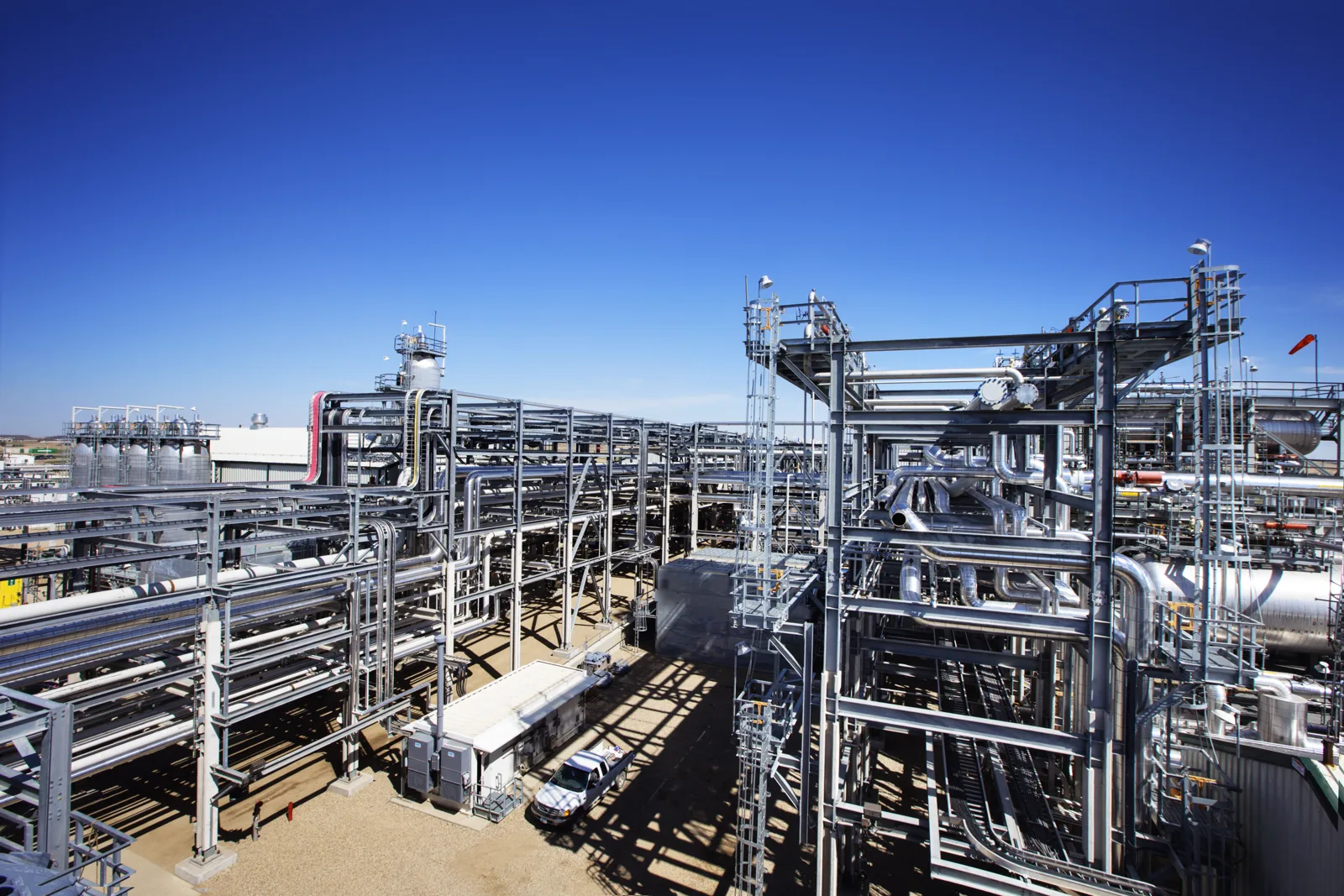
Vista Projects also has extensive experience with utilities, tankage, and well pad & pipeline development. Our project history includes long-term brownfield programs and multi-phase greenfield expansion projects.
Highlighted Projects
Grassroots Gas Plant
Vista completed detailed engineering and procurement for a grassroots plant handling 20 MMSCFD of sweet natural gas, with inlet separation, dehydration and chilling, propane refrigeration, residue gas compression and liquids storage. Kick-off to commissioning took just over four months. Read more
U.S. Petrochemical Facility Owner's Engineering and Value Improvement
Vista provided owner’s engineering, value improvement and on-site support for a first-of-a-kind U.S. petrochemical facility built around proprietary process technology, with a total installed cost of about US$750 million. Late-stage modularization, with modules shipped to site by barge, helped cut total installed cost by about 13 percent. Read more
Related Brochures
Looking for more information? Download one of our related brochures to learn more about Vista Projects’ engineering consulting services.
Project Experience Overview
Modularization Optimization
Engineering Capabilities
A GTL facility is a chain of units that only works when every interface is right. Vista engineers the facility around the process technology the owner or licensor selects, with all engineering disciplines on one integrated team.
Gas Treating and Processing
Feed gas has to be treated before it reaches a reformer. Vista’s gas processing experience includes natural gas sweetening (CO2 and H2S removal), dehydration and compression, from a 25 MMSCFD amine plant that brought CO2 down to pipeline specification to a run of sour gas plant revamps that has lasted nearly 15 years.
Syngas Generation
The first step in a GTL plant turns treated gas into syngas, a mix of hydrogen and carbon monoxide, by reforming or partial oxidation. Vista engineers gasification facilities, which make syngas from heavier feeds, and we plan the heat integration and utility demand of the syngas section with the units that follow it. Our hydrogen power generation study for a 120 MW plant also considered steam methane reforming with carbon capture.
Product Upgrading
Hydrocracking combines hydrogenation and catalytic cracking to turn heavy hydrocarbons into kerosene, naphtha or jet fuel. In a GTL plant, a hydrocracker splits Fischer-Tropsch wax into diesel and naphtha. Vista has engineered hydrocracking and residue upgrading facilities.
Modular and Small-Scale Facilities
Skid-based plants suit gas that is too remote or too small for a conventional facility. Vista engineers modular layouts and skid interfaces, and our Modularization Optimization brochure sets out how we approach it.
Utilities, Tankage and Brownfield Tie-ins
A GTL plant needs large utility systems and product storage. Vista has designed glycol cooling, instrument air, fuel gas and flare systems for in-situ heavy oil processing facilities, and an asphalt terminal with two 64,000 barrel storage tanks. Our long-term brownfield programs give us the tie-in experience that expansions of existing facilities call for.
Front-End Engineering
Vista executes pre-FEED, FEED and detailed engineering. On a SAGD FEED for a major Canadian producer, a data-centric approach cut FEED engineering hours by 10 to 15 percent, and the project finished 16 percent under budget.
What Our Clients Say

Improve your project success with the help of seasoned experts

Tyler Elchuk
Business Development Director
All Clients Deserve
A Single Source of Truth
Our unique truth-based industrial engineering execution model facilitates:
- Transparency about projects and assets
- A collaborative problem-solving approach
- High-quality engineering designs
By structuring data in a single-source-of-truth (SSOT) environment, we simplify the digital transformation of your asset and help you make more informed decisions. Learn more about our system integration services.